

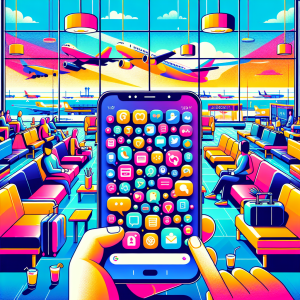
The travel and hospitality industry is undergoing a digital revolution. From AI-powered recommendations to seamless mobile check-ins, technology is helping brands deliver tailored experiences that travelers expect. With digital-native consumers demanding personalization, immediacy, and convenience, creative professionals in the industry must stay ahead by integrating tech solutions that enhance both guest satisfaction and operational efficiency. In this listicle, we explore 10 real-world technology use cases that are redefining the way travel and hospitality businesses operate—and how you can apply them to stay competitive.
1. AI-Powered Personalization
Artificial Intelligence (AI) helps hotels and travel platforms leverage data to deliver hyper-personalized experiences. From suggesting itineraries based on past searches to dynamically adjusting room rates, AI is revolutionizing customer interactions.
Use Case: Marriott International uses AI to track guest preferences and customize their stay—from preferred room temperature to favorite TV channels—without the guest requesting it again.
2. Mobile Check-In and Digital Key Access
Gone are the days of waiting in line at the front desk. Mobile apps enable check-in ahead of arrival, while digital keys offer secure room access via smartphones.
Use Case: Hilton’s Digital Key function gives loyalty members the ability to check-in and unlock their rooms using only their mobile devices, reducing friction and enhancing guest convenience.
3. Smart Room Technology
Smart hotel rooms allow guests to control lighting, climate, and entertainment through voice assistants or apps. This tech-forward approach aligns with the expectations of today’s connected travelers.
Use Case: The Wynn Las Vegas integrated Amazon Alexa into over 4,000 rooms, allowing guests to control room features with simple voice commands, providing both accessibility and novelty.
4. Social Media Login for Seamless Access
Offering social media login options accelerates user registration and personalization while reducing friction. Guests can log in with a single click, allowing brands to personalize experiences using social data insights.
Use Case: Boutique hotel chains have integrated social media login into their mobile apps and Wi-Fi portals, enabling them to recognize returning guests and tailor content, offers, or loyalty rewards based on previous interactions.
5. Contactless Payments and Digital Wallets
Contactless payments have become indispensable, especially in a post-COVID world. Digital wallets not only increase hygiene but also speed up transactions and reduce operational overhead.
Use Case: Accor Hotels implemented Apple Pay and Google Pay across multiple properties, streamlining checkouts and improving guest satisfaction by removing cumbersome payment steps.
6. Chatbots & 24/7 Virtual Concierge Services
Intelligent chatbots serve as virtual concierges, answering questions, making bookings, and providing destination recommendations even during off-hours.
Use Case: Scandinavian Airlines adopted a Facebook Messenger bot to help travelers with flight info, baggage policies, and even gate changes in real-time, reducing customer service load.
7. Virtual Reality (VR) for Destination Previews
VR provides immersive previews of hotels, landmarks, and travel experiences, helping guests make more confident booking decisions and elevating marketing efforts.
Use Case: Atlantis The Palm in Dubai uses VR experiences to showcase suites, dining options, and on-site attractions, resulting in increased direct bookings and reduced cancellation rates.
8. IoT-Based Maintenance and Energy Efficiency
IoT devices monitor systems in real time to predict maintenance needs, optimize energy usage, and alert staff before issues escalate—enhancing operations and sustainability.
Use Case: Meliá Hotels use smart thermostats and occupancy sensors to automatically adjust energy consumption, reducing costs and supporting green initiatives.
9. Location-Aware Notifications and Geo-Fencing
Geolocation tools send personalized notifications based on a guest’s location—like restaurant deals nearby or check-out reminders upon departure.
Use Case: A resort in Bali used geo-fencing to offer spa discounts as guests walked by the wellness center, increasing same-day reservations by 28%.
10. Multi-Language Support with AI Translation
AI-driven translation tools break down language barriers, allowing hotels and tour companies to serve international guests more effectively and inclusively.
Use Case: Trip.com integrated an AI-based translation engine that translates live chat messages instantly, enabling support agents to communicate in 19 different languages with customers worldwide.
Conclusion
Technology continues to empower travel and hospitality professionals in creating more memorable, efficient, and personalized guest experiences. By adopting tools like social media login, AI personalization, and smart room tech, your business can not only meet the expectations of today’s travelers but also gain a competitive edge. Whether you manage a boutique hotel, design travel-focused digital experiences, or consult in the hospitality space, leveraging these innovations will help you stay inspired and ahead of the curve.
Get started for FREE today and explore how modern travel tech solutions can transform your guest journey from ordinary to extraordinary.