

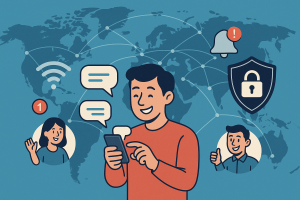
In today’s borderless digital economy, remote work has become more than a trend—it’s a defining feature of the modern professional landscape. Yet, as the virtual world expands opportunities, it also demands a sharper focus on privacy and identity protection. Entrepreneurs, consultants, and remote employees alike are reevaluating how they manage their digital presence and protect personal information. The rise of tools like a virtual phone number for messaging has made it easier to stay secure and connected, but with every innovation comes a balance of pros and cons that must be understood.
1. The Power of Privacy: Control Over Your Digital Identity
One of the greatest advantages of privacy tools is empowerment. As a remote worker, safeguarding your identity ensures your professional life remains distinct from your personal one. When using a virtual phone number for messaging, you reduce exposure to potential data breaches, phishing, or social engineering attacks. You also maintain control over who can reach you and on which channels. This segregation of communication enhances not only security but also your productivity and peace of mind.
However, privacy sometimes introduces logistical complexity. Managing multiple communication layers can lead to missed messages or a sense of separation from colleagues, which can hinder collaboration when not handled properly. Hence, the key is to integrate privacy tools seamlessly within your digital routine.
2. The Connection Advantage: Accessibility Without Boundaries
Remote work thrives on connectivity—accessibility across time zones, cultures, and devices. The ability to reach clients instantly is a hallmark of digital professionalism. Tools that provide global connectivity, such as virtual phone numbers, empower teams to stay in sync no matter where they operate.
But the advantage of constant availability can easily become a drawback. The expectation to be “always reachable” can blur boundaries and erode work-life balance. This reality challenges remote professionals to set clear communication norms and time windows that protect personal space while maintaining team efficiency.
3. The Cost of Convenience: The Hidden Price of Data Sharing
Free digital tools often conceal a hidden cost: your data. Many platforms monetize user information, subtly undermining the privacy that remote workers cherish. Opting for paid or enterprise-grade communication solutions, like those powered by xapp.zone, can ensure greater transparency and stronger encryption standards.
This choice reflects a more visionary approach—prioritizing long-term trust and reliability over superficial convenience. Yet, such investments require thoughtful budgeting and understanding the trade-off between accessibility and integrity.
4. Navigating the New Normal: Trust Through Technology
As digital collaboration becomes deeply ingrained in business infrastructure, trust becomes currency. Remote teams that champion data protection standards signal professionalism and foresight. Adopting encrypted file-sharing, secure logins, and privacy-centric messaging tools reflects a commitment not just to compliance but to ethics.
However, technology alone cannot build trust—transparency and education must accompany it. As entrepreneurs, we must lead conversations around responsible data practices and empower remote workers to take ownership of their privacy settings.
5. Preparing for the Future: A Visionary Approach to Digital Independence
The future of work depends on a delicate synergy between technology and self-discipline. Privacy and identity protection should not be reactive measures but foundational principles of every digital enterprise. As global markets evolve, remote professionals will thrive not by chasing the latest app but by curating tools aligned with values of security, independence, and authenticity.
Entrepreneurship in the digital age is about foresight—recognizing that the connections we build must be trusted connections. With tools like xapp.zone, which provide agile communication solutions such as a virtual phone number for messaging, remote workers can craft secure digital identities that empower lasting success.
Conclusion
Privacy is no longer an optional layer in remote work—it is the foundation of professional credibility. As we embrace digital connectivity, we must do so intentionally, balancing innovation with vigilance. By understanding the pros and cons of each digital choice, we can design smarter, safer, and more sustainable careers that transcend borders yet preserve our personal identities.
Stay ahead of the digital curve. Sign up for our newsletter at xapp.zone to discover more insights and tools that redefine privacy and connection for the modern remote professional.