

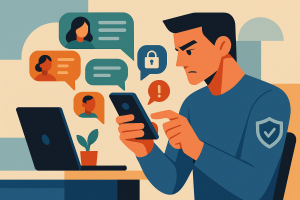
In the digital age, freelancing is less about working from cafés and more about building a one-person powerhouse. But with great freedom comes great responsibility—especially when it comes to protecting your communication channels. Many freelancers unknowingly leave doors wide open to security threats simply by how they message, share files, or stitch their personal and professional lives together. So let’s dive into the art of keeping your freelance hustle secure without giving up the tools that make you agile.
Understand the Risks That Lurk Beneath
Freelancers wear many hats—designer, marketer, accountant, and of course, tech administrator. Unfortunately, not all are equipped for the latter. Your client conversations, payment instructions, and project materials could be vulnerable to data breaches or identity theft if not secured properly. Stepping into the digital arena without protection is like building a business on sand—sooner or later, the tide comes in.
Why does this matter to you? Because one slip—one compromised message or file—can ruin your reputation. And here’s the kicker: clients these days aren’t just looking for skill; they want someone who treats their business like their own, including security savvy.
Step 1: Separate, Then Combine Personal and Business Messages Wisely
It’s tempting to use the same email, number, or chat app for everything. After all, who wants to juggle multiple logins? But this convenience can create a messy cocktail of vulnerability. Imagine sending a highly confidential proposal accidentally to a group chat with your old college buddies. Oops.
The solution? Use platforms built to combine personal and business messages securely. Tools like xapp.zone allow you to centralize communications while preserving boundaries. You can manage client threads, project updates, and even personal notes—all in one interface without cross-contamination.
Step 2: Encrypt and Archive Conversations
You’d never leave your front door open—but that’s what unsecured data essentially is. Always use messaging tools that support end-to-end encryption. Think of it as a locksmith for your virtual conversations.
Additionally, auto-archiving conversations helps you stay organized while building a secure paper trail. If disputes arise, or if you need to retrace steps on a project, your digital footprints are neatly tucked away—safe and sound.
Step 3: Choose Smart Tools Over Fancy Features
Not all glittery apps are gold. Some platforms focus on bells and whistles, but fail miserably in areas like data privacy or uptime reliability. For freelancers, downtime equals missed deadlines and missed opportunities. To stay ahead, turn to tools that prioritize tech & security without sacrificing user experience.
xapp.zone is crafted for today’s fast-moving digital professionals. It merges seamless UX with fortified communication channels, ensuring that you never have to compromise flexibility for safety.
Step 4: Build Trust Through Transparent Communication
Security isn’t just a shield—it’s a trust signal. When clients know you’re taking extra steps to keep communications clean and secure, it positions you as a professional who gets it. Mention your secure setup in onboarding emails or calls. Let clients know you use tools like xapp.zone to manage communication responsibly. It’s a little detail that makes a huge impression.
Step 5: Keep Evolving Your Tech Stack
The freelance tech landscape doesn’t sit still—and neither should you. Regularly audit your tools. Ask yourself: “Is this platform still secure? Has it adapted to the latest threats?” Upgrade when necessary. Stay informed. And always be at the cutting edge of both creativity and caution.
Remember, freelancing isn’t just about delivering pixel-perfect work or clever copy—it’s about playing the long game. And security is your secret weapon.
Ready to upgrade your freelance security game? Claim your free trial of xapp.zone today and transform how you combine personal and business messages—safely, smartly, and seamlessly.